Ambulance Driver C1 Licence & Training Bristol | LGS
Thinking about becoming a paramedic or driving an ambulance? There's one important qualification you might have overlooked, your driving licence!
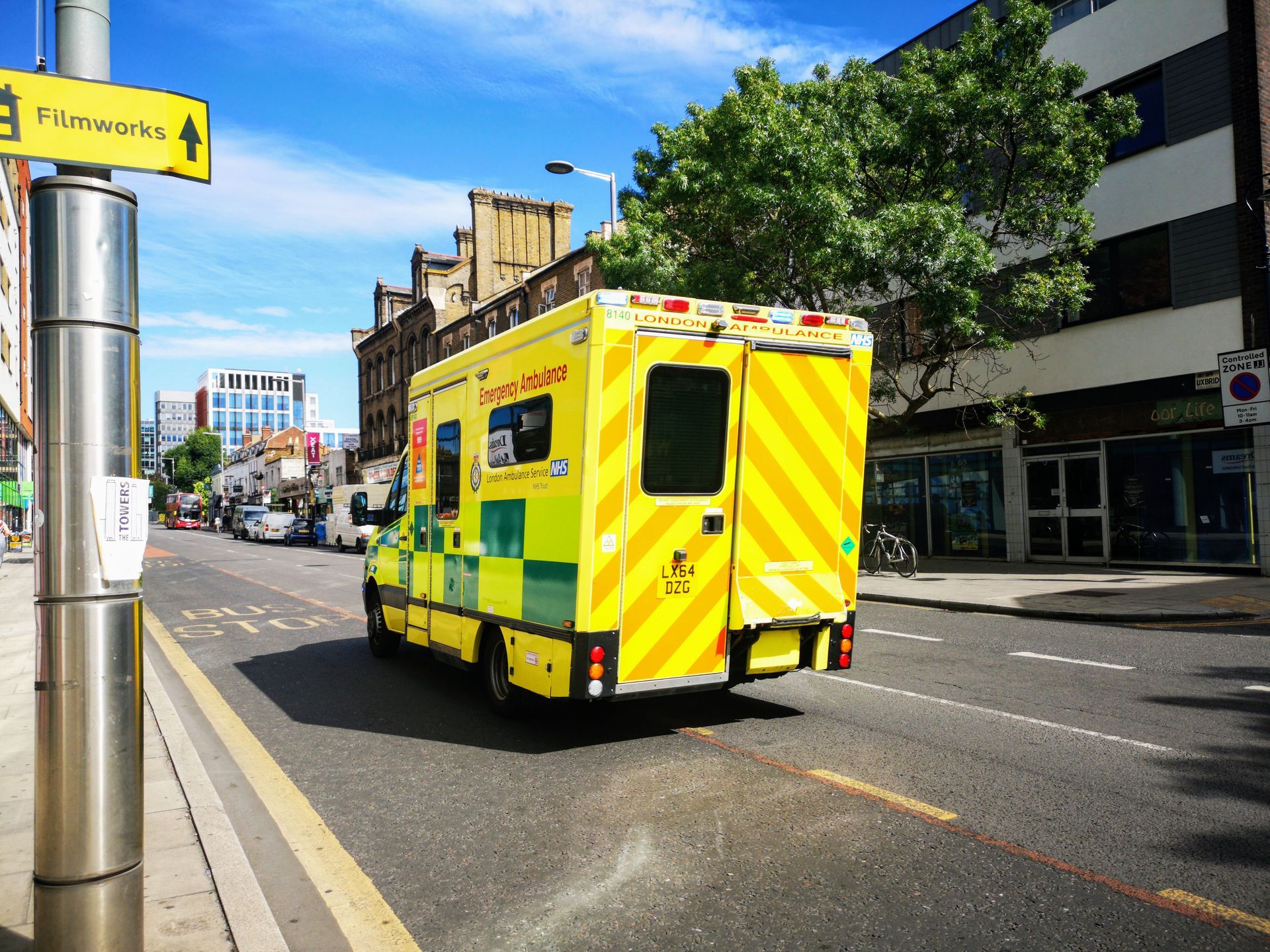
So, You Want to Drive an Ambulance? Here's Where to Start.
Thinking about becoming a paramedic or driving an ambulance? There's one important qualification you might have overlooked, your driving licence!
Maybe you've always wanted to become a paramedic. Perhaps you're considering a career change or you've spotted an ambulance service job that sounds perfect for you. But before you get behind the wheel, there's something worth checking.
Does your current driving licence actually allow you to drive an ambulance?
You might be surprised to learn that a standard car licence isn't always enough.
Do You Need to Be a Paramedic to Drive an Ambulance?
Not necessarily! There are several roles within the ambulance service, including:
- Paramedic: A qualified healthcare professional providing emergency treatment and patient care.
- Emergency Care Assistant (ECA): Works alongside paramedics, assisting with patient care and ambulance operations.
- Ambulance Care Assistant: Helps transport patients to hospitals, appointments and other healthcare facilities.
Each role has different qualifications and driving requirements, so it's worth exploring your options before applying.
What's a C1 Licence, and Why Might You Need One?
Many ambulances weigh more than an ordinary van because of their specialist equipment. A standard car licence generally allows you to drive petrol and diesel vehicles weighing up to 3,500kg.
A Category C1 driving licence allows you to drive vehicles weighing more than 3,500kg and up to 7,500kg, making it an important qualification for many ambulance drivers. But here's something worth checking!
What if you already have a C1 or D1 licence?
If you already have a Category C1 or D1 licence, you may be able to drive certain vehicles on a voluntary basis. However, if you're driving professionally or being paid, you may also need a Driver CPC qualification, depending on the vehicle and the work involved.
You can check your existing entitlement through the
DVLA driving licence checker.
What About Patient Transport Vehicles?
Some patient transport vehicles require a different licence.
For example, if you're planning to drive a minibus with 9–16 passenger seats, you may need a Category D1 licence.
The qualification depends on the vehicle's size, weight and seating capacity.
Check which driving licence categories you need.
How Do You Get Your C1 Ambulance Driving Licence?
If you don't already have C1 entitlement, there are five main steps:
- Hold a full car licence. Many ambulance services also require a manual driving licence.
- Apply for provisional C1 entitlement. You'll normally need a D2 application form and a D4 medical assessment.
- Pass your theory tests. These include multiple-choice questions and hazard perception.
- Complete practical driving training. Learn how to safely handle, manoeuvre and drive a larger vehicle.
- Pass your practical tests. These include an off-road manoeuvring test and an on-road driving assessment.
You can find the application forms and full instructions on the official GOV.UK website.
How Much Does C1 Training Cost?
Costs vary depending on your training provider, experience and what's included in the course. You'll normally need to budget for a medical, theory tests, practical training and driving tests.
Before booking, check what's included in the price and whether your prospective ambulance employer offers any assistance with training costs.
Do You Need C1 Before Applying for an Ambulance Job?
Not always. Different ambulance services have different requirements.
Some roles require a full C1 licence before applying, while others may accept provisional entitlement at the application stage. It's important to check the individual vacancy before paying for training. And remember, passing your C1 test doesn't automatically qualify you to drive on blue lights. Emergency-response driving requires additional specialist training and authorisation.
Where Can You Find Ambulance Service Jobs?
If you're based in Bristol, Bath, Somerset or Wiltshire, these websites are a great starting point:
- South Western Ambulance Service Careers – Explore local ambulance roles and career pathways.
- NHS Jobs – Search current paramedic and ambulance vacancies.
- National Careers Service – Find out about paramedic qualifications and training.
Ready to Take the First Step?
If you're considering a career driving an ambulance, understanding which licence you need is a great place to begin.
C1 or HGV Training – Which Is Right for You?
If you're considering C1 training to drive an ambulance, it's also worth exploring a full Category C (Class 2) HGV licence. Category C includes the driving entitlement covered by C1, but also allows you to drive larger vehicles over 7.5 tonnes. This could give you greater flexibility if your career plans change in the future.
At LGS Transport Training, we offer both C1 and HGV driver training for learners in Bristol, Bath, Somerset and Wiltshire. The right option will depend on your career goals, training requirements and budget, so it's worth understanding the differences before deciding.
At LGS Transport Training, we're based in Frome and provide driver training in Bristol and across the surrounding areas, including Somerset and Wiltshire.
Whether you're unsure about C1 requirements, confused by the DVLA application process or exploring your training options, we're happy to help.
Want to drive an ambulance but don't know where to start? Just ask us how.
Call 01373 464776
Email info@lgstraining.co.uk